The Ultimate Korean Bibimbap: A Rainbow in a Bowl
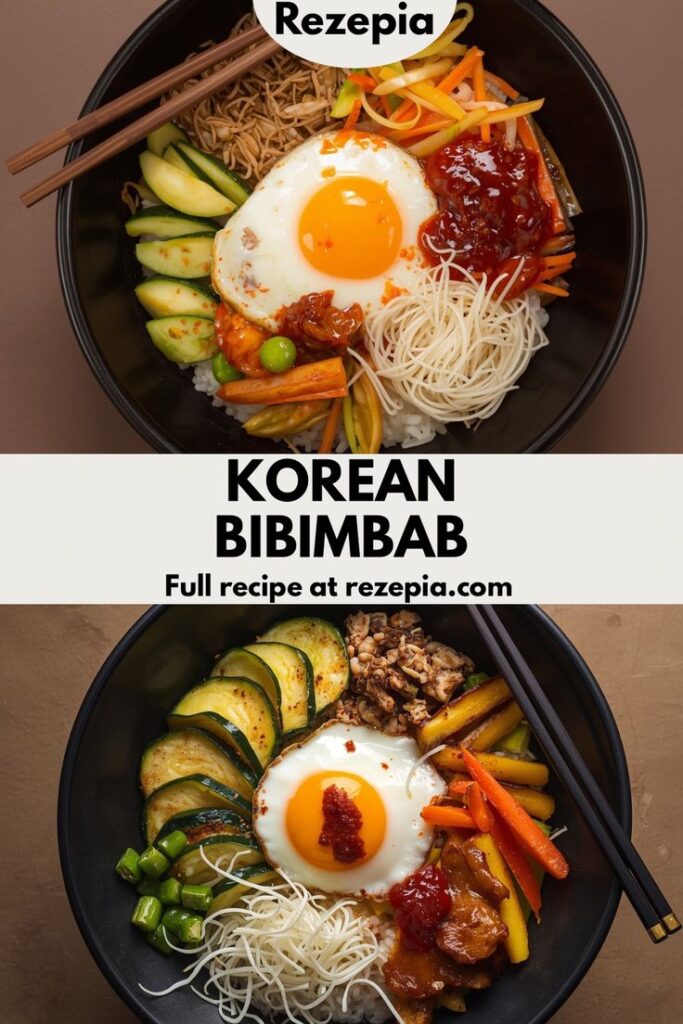
If there is one dish that perfectly encapsulates the philosophy of Korean cuisine, it is Bibimbap. Translated literally, bibim means “mixing” and bap means “rice.” But to call it just “mixed rice” is like calling a symphony “just some noise.” Bibimbap is a masterful balance of colors, textures, temperatures, and flavors. It is a dish designed to provide a harmony of nutrients—featuring five colors that represent different elements of life in traditional Korean culture.
Whether you are a seasoned fan of K-cuisine or a newcomer looking for a healthy, vibrant meal, this guide will show you how to create an authentic Korean Bibimbap that tastes just like it came from a kitchen in Seoul.
The Five Pillars of a Perfect Bibimbap
To master this dish, you have to understand its components. Bibimbap is less of a rigid recipe and more of a construction project.
1. The Rice (The Foundation)
Typically, short-grain Korean white rice is used. It is slightly sticky, which helps it hold onto the sauce and small bits of vegetables. For a healthier twist, many modern kitchens use boribap (barley rice) or brown rice.
2. The Namul (The Toppings)
Namul refers to seasoned vegetables. Each vegetable in a Bibimbap bowl is usually prepared separately to preserve its individual flavor and color. Common toppings include:
- Sautéed Carrots: For sweetness and crunch.
- Shiitake Mushrooms: For earthy umami.
- Spinach: Blanched and seasoned with sesame oil.
- Bean Sprouts: For a fresh, watery snap.
- Zucchini: Lightly salted and sautéed.
3. The Protein
Traditionally, bibimbap features thinly sliced Bulgogi-style beef (marinated ribeye). However, you can easily swap this for ground beef, spicy pork, tofu, or even keep it strictly vegetarian.
4. The Egg (The Crown)
A classic bowl is topped with a fried egg, usually served sunny-side up. The magic happens when the runny yolk breaks and coats the rice, adding a rich, creamy layer to the spicy sauce.
5. The Gochujang Sauce (The Soul)
This is what ties everything together. Gochujang is a fermented red chili paste that is sweet, savory, and spicy. We don’t use it straight from the tub; we “dress it up” with sesame oil, sugar, and vinegar to create a pourable, addictive sauce.
Dolsot vs. Regular Bibimbap
You may have seen Bibimbap served in a heavy, sizzling black stone bowl. This is called Dolsot Bibimbap. The stone bowl is coated with sesame oil and heated over a flame before the rice is added. This creates a crispy, golden layer of rice at the bottom called nurungji, which many consider the best part of the meal! If you don’t have a stone bowl, don’t worry—a regular ceramic bowl works perfectly for a refreshing, “room temperature” version.
Recipe: Authentic Korean Bibimbap
Prep Time: 30 mins | Cook Time: 20 mins | Serves: 2
Ingredients
For the Meat & Marinade:
- 200g (7oz) Beef (minced or thinly sliced ribeye)
- 1 tbsp Soy sauce
- 1 tbsp Sesame oil
- 1 tsp Brown sugar
- 1 tsp Minced garlic
The Vegetables (Namul):
- 1 large Carrot, julienned
- 1 small Zucchini, julienned
- 100g (3.5oz) Fresh shiitake mushrooms, sliced
- 150g (5oz) Fresh spinach
- 150g (5oz) Soy bean sprouts
- Salt (for seasoning each veggie)
- Vegetable oil (for frying)
The Gochujang Sauce:
- 2 tbsp Gochujang (Korean chili paste)
- 1 tbsp Sesame oil
- 1 tbsp Sugar (or honey)
- 1 tbsp Water
- 1 tbsp Toasted sesame seeds
- 1 tsp Apple cider vinegar (optional for tang)
For Assembly:
- 2 servings of steamed short-grain white rice
- 2 Eggs
- Toasted sesame oil (for drizzling)
- Kimchi (on the side)
Instructions
Step 1: Marinate the Beef
In a small bowl, mix the beef with soy sauce, sesame oil, sugar, and garlic. Let it sit for at least 20 minutes while you prep the vegetables.
Step 2: Prepare the Vegetables (The “One-by-One” Method)
- Spinach & Sprouts: Blanch the spinach in boiling water for 30 seconds. Remove, rinse in cold water, and squeeze out all excess moisture. Toss with a pinch of salt and a drizzle of sesame oil. Repeat this process for the bean sprouts (boil for 2-3 minutes).
- Carrots, Zucchini, & Mushrooms: Heat a lightly oiled skillet over medium-high heat. Sauté each vegetable separately with a pinch of salt until softened but still vibrant. Keeping them separate ensures the colors don’t bleed!
Step 3: Cook the Protein and Eggs
- In the same skillet, cook the marinated beef over high heat until browned and slightly caramelized. Set aside.
- Wipe the skillet and fry your eggs sunny-side up. You want the whites set but the yolks runny.
Step 4: Make the Sauce
Whisk all the sauce ingredients (Gochujang, sesame oil, sugar, water, sesame seeds, vinegar) in a small bowl until smooth.
Step 5: Assemble the Bowl
- Place a generous portion of warm rice in the center of a large bowl.
- Arrange the cooked vegetables and beef in small “clocks” around the perimeter of the rice, alternating colors (e.g., orange carrot next to green spinach).
- Place the fried egg in the center.
- Add a dollop of the Gochujang sauce on top of the egg (or serve on the side).
- Finish with a final drizzle of toasted sesame oil and a sprinkle of sesame seeds.
How to Eat Bibimbap Like a Pro
Whatever you do, don’t eat it layer by layer! The true way to enjoy Bibimbap is to take your spoon and vigorously mix everything together until every grain of rice is coated in the red sauce and the egg yolk is fully incorporated. It should look like a beautiful, chaotic red mess. This ensures that every single bite contains a perfect ratio of meat, rice, and various vegetables.
Tips for Success
- Use Fresh Rice: If your rice is too dry or old, it won’t soak up the sauce well.
- Don’t Overcook the Veggies: You want them to have a slight “bite” (al dente) to provide texture against the soft rice.
- Vegetarian/Vegan Option: Simply omit the beef and egg. Add extra mushrooms or marinated firm tofu for a protein boost.
Final Thoughts
Bibimbap is more than a meal; it’s a therapeutic process. The chopping, the individual sautéing, and finally, the rhythmic mixing, make it a deeply satisfying dish to prepare and eat. It’s the perfect way to “eat the rainbow” while indulging in the bold, spicy heart of Korean flavor.