Soft and Fluffy Khaman Dhokla: The Secret to Perfect Gujrati Steamed Cakes
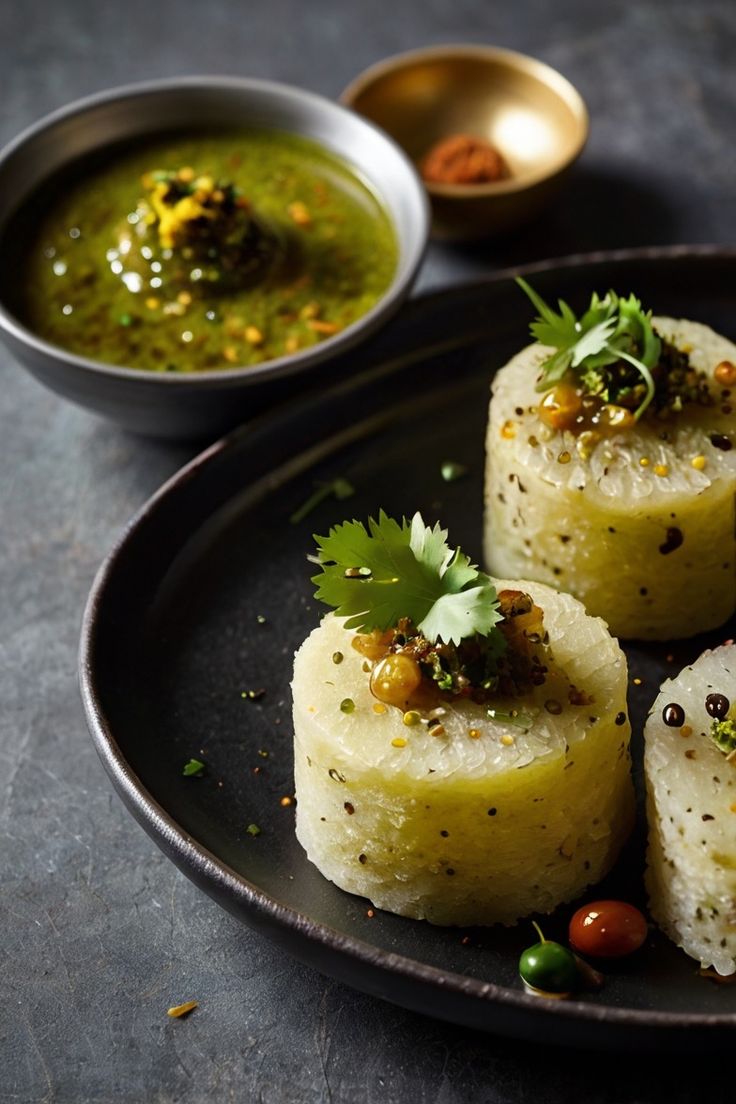
If you’ve ever wandered through the vibrant streets of Gujarat or stepped into an authentic Indian farsan (snack) shop, you’ve likely been captivated by the sight of Khaman Dhokla. These bright yellow, spongy cubes, glistening with a mustard-seed tempering and garnished with fresh cilantro, are more than just a snack—they are a masterclass in texture and balance.
A perfect Khaman is a delicate thing: it must be feather-light, incredibly fluffy, and possess a unique balance of sweet, spicy, and tangy flavors. But for many home cooks, the quest for that “nylon” (extra soft) texture can be frustrating.
In this guide, we are pulling back the curtain on the science of steaming. Whether you’re serving this for breakfast, a tea-time snack, or an appetizer for your next dinner party, this Soft and Fluffy Khaman Dhokla recipe will ensure you never have a dense or dry result again.
The Difference: Khaman vs. Dhokla
Before we cook, let’s clear up a common confusion. While the terms are often used interchangeably, there is a subtle difference:
- Dhokla: Usually made from a fermented batter of soaked rice and split chickpeas (chana dal). It is typically paler in color and slightly denser.
- Khaman: Made instantly using Besan (chickpea flour). It is airier, softer, and has that iconic deep yellow hue. This recipe focuses on the Khaman style, which is loved for its melt-in-the-mouth quality.
3 Secrets to “Nylon” Softness
To get that commercial-grade sponginess at home, you need to master these three elements:
1. Sifting the Besan
Chickpea flour tends to clump. If you don’t sift your flour, you’ll end up with tiny pockets of dry powder inside your steamed cake. Sifting ensures the batter is silky smooth and aerates the flour before you even add water.
2. The Citric Acid & Fruit Salt Combo
Traditional recipes use fermentation, but for instant Khaman, we use a chemical reaction. The combination of Citric Acid (or lemon juice) and Eno (Fruit Salt) creates a massive release of carbon dioxide. This is what creates the “honeycomb” structure inside the Dhokla.
3. The “Juicy” Tempering
A common complaint is that Dhokla can feel dry in the throat. The secret isn’t just in the batter; it’s in the tempering water. By pouring a sweet and salty water mixture over the steamed cake, the sponge soaks up the moisture, making it incredibly juicy and soft.
Recipe: Instant Soft & Fluffy Khaman Dhokla
Prep Time: 15 mins | Cook Time: 20 mins | Serves: 4
Ingredients
For the Batter:
- Besan (Gram Flour): 1 ½ cups (fine quality)
- Semolina (Suji): 1 tbsp (adds a nice bite)
- Citric Acid: ½ tsp (or 1 tbsp lemon juice)
- Ginger-Green Chili Paste: 1 tsp
- Turmeric Powder: ¼ tsp (don’t add too much, or it will react with the leavening and turn red!)
- Sugar: 1 tbsp
- Salt: to taste
- Water: Approx. 1 cup (add gradually)
- Eno (Fruit Salt): 1 tsp (regular, unflavored)
For the Tempering (Tadka):
- Oil: 2 tbsp
- Mustard Seeds: 1 tsp
- Sesame Seeds: 1 tsp
- Hing (Asafoetida): A pinch
- Curry Leaves: 8-10
- Green Chilies: 3-4 (slit lengthwise)
- Water: ½ cup
- Sugar: 1 tbsp
- Lemon Juice: 1 tsp
For Garnishing:
- Fresh Cilantro (chopped)
- Grated Fresh Coconut (optional)
Instructions
Step 1: Prep the Steamer
Before you touch the batter, get your steamer ready. Add 2-3 inches of water to a large pot or steamer and bring it to a boil. Grease a cake tin or a deep plate with oil. Note: Once the leavening agent is added to the batter, you must steam it immediately!
Step 2: Make the Batter
- Sift the besan into a large bowl. Add suji, sugar, salt, turmeric, ginger-chili paste, and citric acid.
- Gradually add water, whisking in one direction to incorporate air. The batter should be thick but pourable (ribbon consistency).
- Add 1 tablespoon of oil to the batter—this keeps the Dhokla moist from the inside. Let the batter rest for 10 minutes.
Step 3: The Fluff Factor
- Just before placing the tin in the steamer, add the Eno (Fruit Salt) to the batter.
- Pour a teaspoon of water over the Eno to activate it. You’ll see it foam up.
- Whisk gently for 30 seconds. The batter will double in volume and become pale and frothy.
- Immediately pour the batter into the greased tin.
Step 4: Steaming
Place the tin in the steamer. Cover with a lid and steam on high heat for 15-20 minutes.
- Pro Tip: Wrap the steamer lid with a kitchen towel to prevent condensation drops from falling onto the Dhokla.
- Check with a toothpick; if it comes out clean, it’s done. Let it cool for 5 minutes before demolding.
Step 5: The Tempering (The Magic Step)
- Heat oil in a small pan. Add mustard seeds. When they crackle, add sesame seeds, hing, curry leaves, and green chilies.
- Pour in ½ cup of water, sugar, and lemon juice. Bring to a boil, then turn off the heat.
- Cut the cooled Dhokla into squares. While the tempering water is still warm, pour it evenly over the Dhokla pieces. This allows the cake to absorb the moisture.
Serving Suggestions
Khaman Dhokla is best served warm or at room temperature. It is traditionally paired with:
- Green Chutney: A spicy coriander and mint blend.
- Sweet Tamarind Chutney: For those who love the contrast of sweet and savory.
- Fried Green Chilies: A classic accompaniment for an extra kick.
Storage
You can store Dhokla in an airtight container in the fridge for 2-3 days. To reheat, steam them for 2 minutes or microwave them covered with a damp paper towel to maintain the moisture.
Final Thoughts
Mastering the Khaman Dhokla is a rite of passage for any fan of Indian vegetarian cooking. It’s a dish that teaches patience and the importance of chemical balance in the kitchen. Once you see that sponge bounce back under your finger, you’ll know you’ve nailed it!