Hearty Nigerian Goat and Yam Stew: An Authentic Taste of West Africa
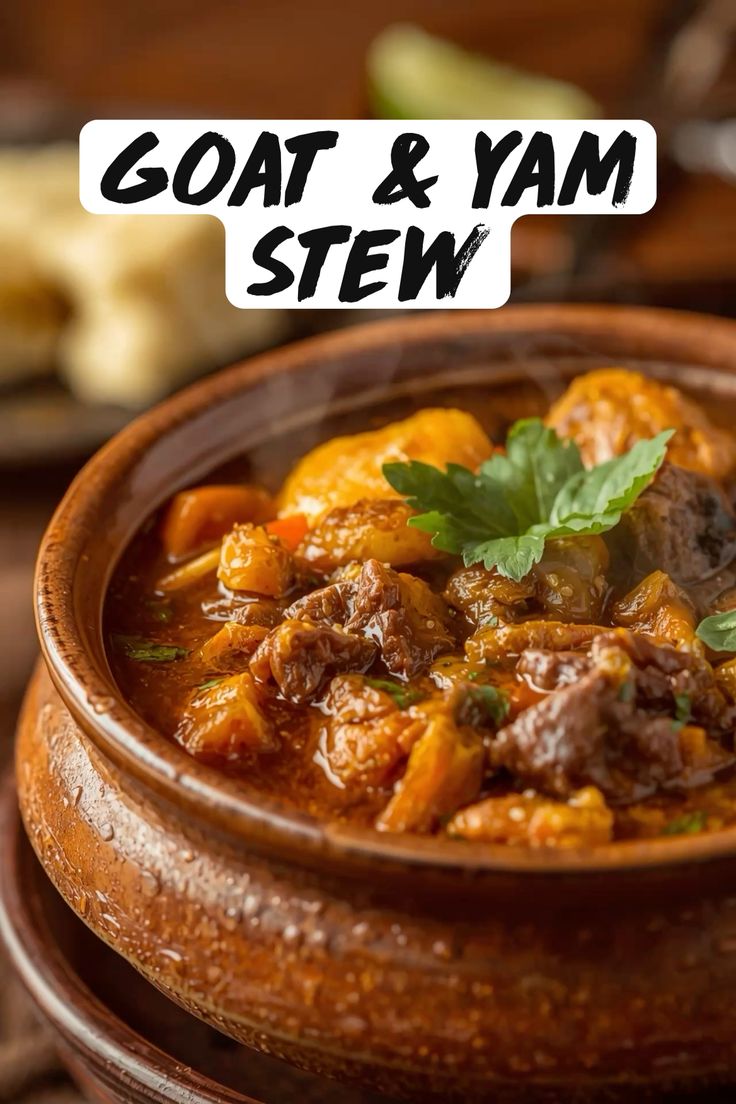
If you are looking for the ultimate comfort food that combines tender meat, earthy root vegetables, and a vibrant, spicy tomato base, look no further. Nigerian Goat and Yam Stew (often referred to as a variation of Asun or simply a hearty tomato-based stew) is a staple in West African households.
This dish isn’t just a meal; it’s an experience. The richness of the goat meat infuses the broth, while the white yams soak up all the spicy, savory goodness of the peppers. Whether you are a fan of West African cuisine or a curious foodie looking to expand your palate, this recipe is a guaranteed crowd-pleaser.
What Makes This Stew Special?
In Nigeria, food is a language of hospitality. Goat meat (extensively used in Nigerian cooking) is prized for its deep, gamey flavor which becomes incredibly tender when slow-cooked. When paired with Puna Yam (African white yam), which has a unique starchy texture—denser and less sweet than a sweet potato—you get a balanced, filling dish that warms the soul.
Ingredients You’ll Need
To achieve that authentic smoky and spicy Nigerian flavor profile, quality ingredients are key.
For the Meat Prep:
- 2 lbs Goat Meat: Cut into bite-sized chunks (bone-in adds more flavor).
- 1 Medium Onion: Thinly sliced.
- 2 Garlic Cloves: Minced.
- 1 tsp Ginger Paste: Fresh is best.
- 2 Bouillon Cubes: (Maggi or Knorr are popular choices).
- Salt: To taste.
For the Stew Base:
- 1 Medium Puna Yam: Peeled and cut into 1-inch cubes (keep in water to prevent browning).
- 5 Large Roma Tomatoes: For a thick base.
- 2 Red Bell Peppers (Tatashe): Adds sweetness and color.
- 2-3 Scotch Bonnet Peppers (Atarodo): Adjust based on your heat tolerance.
- 1 cup Vegetable Oil: Or palm oil for a more traditional, nutty taste.
- 1 tbsp Tomato Paste: To deepen the color and acidity.
- 1 tsp Thyme & 1 tsp Curry Powder: The “Nigerian spice duo.”
- 2 Bay Leaves: For an aromatic finish.
- Fresh Scent Leaves or Parsley: For garnish.
Step-by-Step Cooking Instructions
1. Prepare and Parboil the Goat Meat
Goat meat is tougher than beef, so it requires a head start. Place the cleaned goat meat in a large pot. Add the sliced onions, garlic, ginger, bouillon cubes, and salt. Add just enough water to cover half the meat. Cover and cook on medium heat for about 30–40 minutes until the meat is 80% tender.
Pro Tip: Do not discard the meat stock! This liquid gold contains all the concentrated flavor we need for the stew.
2. Blend the Pepper Base
While the meat is simmering, blend your tomatoes, red bell peppers, and scotch bonnets until smooth.
Note: Some prefer a coarse blend for more texture, while others like it silky smooth. For this stew, a smoother blend works best to coat the yams.
3. Fry the Sauce
In a separate deep pot, heat your oil. If you are using palm oil, let it heat up but do not bleach it (don’t let it smoke). Add some chopped onions and sauté until translucent. Pour in the tomato paste and fry for 2 minutes, then add your blended pepper mix.
Cook the sauce on medium-high heat, stirring occasionally, until the water evaporates and the oil begins to separate from the tomato mix. This “frying” process is crucial to remove the raw acidity of the tomatoes.
4. Combine and Simmer
Once the sauce is fried, add the parboiled goat meat along with the reserved meat stock. Stir in the thyme, curry powder, and bay leaves.
5. Add the Yams
Drain the water from your cubed yams and add them directly into the stew. If the liquid is too thick, add a little bit of water or beef broth. The yams need to be submerged to cook properly.
Cover the pot and simmer on medium-low heat for 15–20 minutes. The starch from the yams will naturally thicken the stew, creating a luscious, velvety consistency.
6. The Final Touch
Check the yams with a fork; they should be soft but not falling apart. Taste for salt and seasoning. Adjust the spice if necessary. Garnish with chopped scent leaves (or basil/parsley) and turn off the heat.
Secrets to the Perfect Nigerian Stew
- The “Oil Separation” Rule: You know the stew base is ready when the oil rises to the top. If you skip this, the stew will taste “slappy” or sour.
- Yam Texture: Always use African Puna Yam if possible. If you can’t find it at an international market, you can substitute with Yukon Gold potatoes, though the flavor profile will change slightly.
- Goat Meat Prep: If you have time, browning the goat meat in a pan after boiling but before adding it to the stew adds a wonderful crust and extra depth.
Nutritional Benefits
This stew is a powerhouse of nutrients. Goat meat is lower in calories and saturated fat than beef or chicken but high in protein and iron. The yams provide complex carbohydrates for sustained energy, while the peppers are packed with Vitamin C and antioxidants.
Frequently Asked Questions (FAQs)
Can I make this in a slow cooker?
Yes! You can brown the meat and the pepper base first, then toss everything into a slow cooker for 6–8 hours on low. Add the yams in the last 2 hours so they don’t turn into mush.
Is it very spicy?
Nigerian food is known for its “kick.” However, you can control the heat by reducing the number of Scotch Bonnet peppers. Removing the seeds also helps lower the intensity.
How do I store leftovers?
This stew actually tastes better the next day as the flavors meld. It stays fresh in the refrigerator for up to 4 days or in the freezer for up to a month. When reheating, add a splash of water to loosen the sauce.
Conclusion
Nigerian Goat and Yam Stew is more than just a recipe; it’s a celebration of bold flavors and hearty ingredients. It’s perfect for Sunday family dinners or for meal-prepping throughout the week. Serve it hot, and don’t be afraid to eat it the traditional way—straight from the bowl!
Did you try this recipe? Let us know in the comments below or tag us on social media! We love seeing your kitchen creations.