The Ultimate Authentic Vietnamese Pho (Phở Bò) Recipe
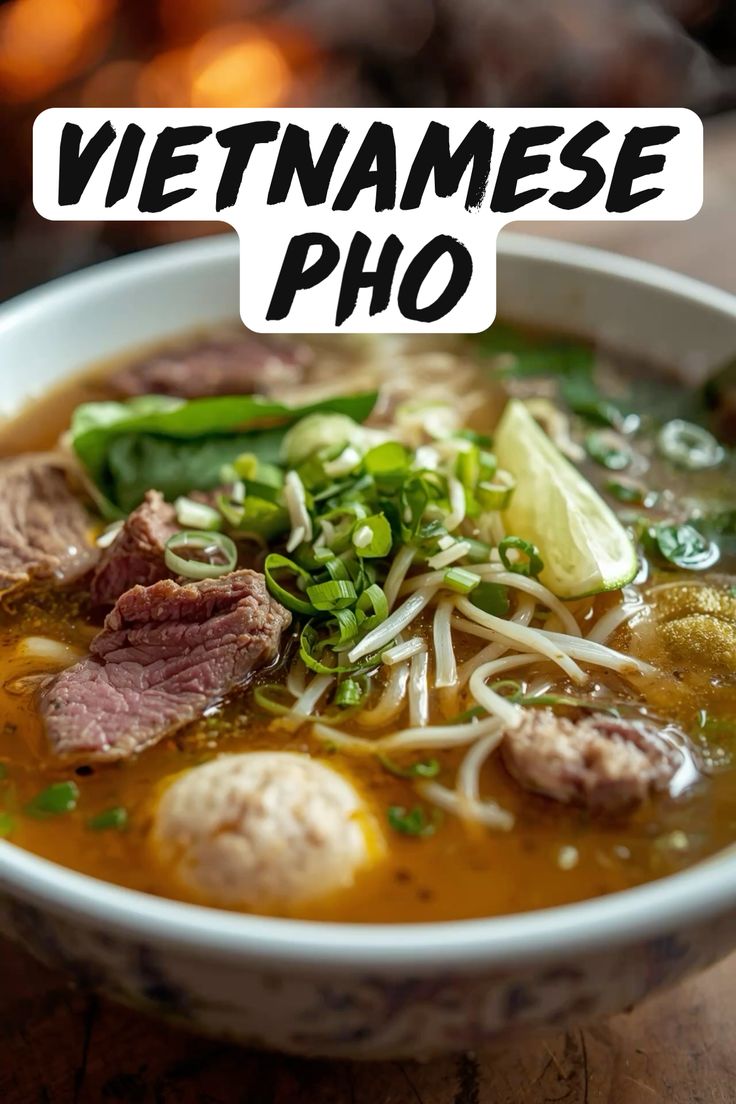
There is no dish more synonymous with the vibrant streets of Hanoi and Saigon than Pho (Phở). This iconic Vietnamese noodle soup is a masterpiece of balance—combining a crystal-clear, aromatic beef broth with silky rice noodles, tender cuts of meat, and a garden of fresh herbs.
A truly authentic Pho isn’t made in thirty minutes; it is a “slow food” labor of love. The secret lies in the broth, which must simmer for hours to extract the marrow from the bones and the essential oils from charred aromatics. If you’ve ever wondered how to achieve that restaurant-quality depth of flavor at home, this comprehensive guide will show you the way.
The Soul of Pho: The Broth
In Vietnam, a master Pho chef is judged by the clarity and complexity of their broth. It should be rich but not greasy, and fragrant with the “Big Five” spices: star anise, cloves, cinnamon, coriander seeds, and cardamom.
Ingredients You’ll Need
To make about 6 large bowls, you will need:
For the Beef Broth:
- 4 lbs Beef Marrow & Knuckle Bones: Look for bones with plenty of cartilage.
- 1 lb Beef Chuck or Brisket: To be cooked in the broth and sliced later.
- 5 Quarts Water.
- 2 Large Onions & 4 inches of Fresh Ginger: For charring.
- Spices: 5 Star anise, 6 Whole cloves, 1 Cinnamon stick, 1 tbsp Coriander seeds, 1 Black cardamom pod.
- Seasoning: 1/4 cup Fish sauce (high quality), 1 tbsp Salt, 1-inch piece of Yellow Rock Sugar (essential for a mellow sweetness).
For the Bowls:
- 1 lb Dried Rice Sticks (Phở Noodles): Soaked in cold water for 30 mins.
- ½ lb Beef Sirloin or Eye of Round: Sliced paper-thin (raw).
- The Garnish Plate: Fresh bean sprouts, Thai basil, Cilantro, Sawtooth herb (Culantro), Lime wedges, and Bird’s eye chilies.
- Condiments: Hoisin sauce and Sriracha.
Step-by-Step Cooking Instructions
1. The Parboil (The Secret to Clarity)
Place the beef bones in a large pot and cover with cold water. Bring to a rolling boil for 10 minutes. You will see gray foam and impurities rise to the top. Drain the water and discard it. Scrub the bones under cold running water to remove any remaining scum. Clean the pot thoroughly before returning the bones to it.
2. Char the Aromatics
While the bones are parboiling, place your unpeeled onions and ginger directly over a gas flame or under a broiler. Char them until the skins are blackened and the insides are fragrant and soft. Peel off the burnt skin and lightly bruise the ginger with a heavy knife.
3. Toast the Spices
In a dry skillet over medium heat, toast the star anise, cloves, cinnamon, coriander seeds, and cardamom until they release their aroma (about 2–3 minutes). Place them in a spice bag or a large tea infuser for easy removal.
4. The Long Simmer
Add 5 quarts of fresh water to the cleaned pot with the bones and the beef chuck. Add the charred onion, ginger, spice bag, rock sugar, and salt. Bring to a gentle boil, then immediately reduce to a low simmer.
- Cook the Brisket: After 1.5 to 2 hours, the chuck/brisket should be tender. Remove it, plunge it into cold water (to prevent darkening), and store in the fridge.
- Extract the Marrow: Continue simmering the bones for at least 6 to 8 hours. The longer it simmers, the deeper the flavor. Occasionally skim any fat that rises to the surface.
5. Season the Broth
Stir in the fish sauce. Taste your broth—it should be slightly saltier than you think it needs to be, as the noodles and unseasoned meat will dilute the flavor once added to the bowl. Strain the broth through a fine-mesh sieve or cheesecloth, discarding the solids.
6. Assembly
- The Noodles: Cook the pre-soaked rice noodles in boiling water for about 1 minute until tender but firm. Divide them into deep bowls.
- The Meat: Place slices of the cooked brisket and the raw sirloin on top of the noodles.
- The Pour: Bring the broth back to a rolling boil. Pour the piping hot broth over the meat. The heat of the broth will perfectly cook the thin raw beef slices instantly.
Secrets to Professional Pho
- Yellow Rock Sugar: Do not use white granulated sugar if you can help it. Rock sugar provides a rounded, subtle sweetness that doesn’t “sting” the palate.
- The Thin Slice: To get paper-thin beef slices, freeze your sirloin for 30–45 minutes before slicing. A sharp knife will glide through the semi-frozen meat.
- Clarity is King: Never let your broth reach a vigorous boil once the bones are back in the pot. A hard boil emulsifies the fat and makes the broth cloudy. Keep it at a “smile”—just a few bubbles breaking the surface.
How to Eat Pho Like a Local
In Vietnam, Pho is a sensory experience. Here is the proper etiquette:
- Taste the Broth First: Before adding any sauces, sip the broth to appreciate the chef’s hard work.
- Dress the Bowl: Add bean sprouts for crunch, herbs for freshness, and a squeeze of lime for acidity.
- The Dip: Instead of squirted Hoisin and Sriracha directly into the broth (which masks the flavor), put the sauces in a small side dish and dip the meat into them.
- Slurp: Slurping the noodles is encouraged—it helps cool the noodles and aerates the broth, enhancing the flavor!
Frequently Asked Questions (FAQs)
Can I use a Pressure Cooker or Instant Pot?
Yes! You can achieve a great broth in 90 minutes using high pressure. However, the depth of flavor from a traditional 8-hour simmer is usually superior.
Where can I find Black Cardamom?
Asian grocery stores carry it. Unlike green cardamom, black cardamom has a smoky, earthy flavor that is vital for an authentic Pho aroma.9
How do I store leftovers?
Store the broth separately from the noodles and herbs. The broth freezes beautifully for up to 3 months. When reheating, always bring it to a boil before serving.
Conclusion
Authentic Vietnamese Pho is a dish that rewards patience. When you sit down with a bowl of this fragrant, steaming soup, you’re tasting centuries of culinary tradition. It is the ultimate comfort food—healing, hearty, and deeply satisfying.