German Sauerbraten: The Ultimate Guide to Germany’s Iconic Sour Pot Roast
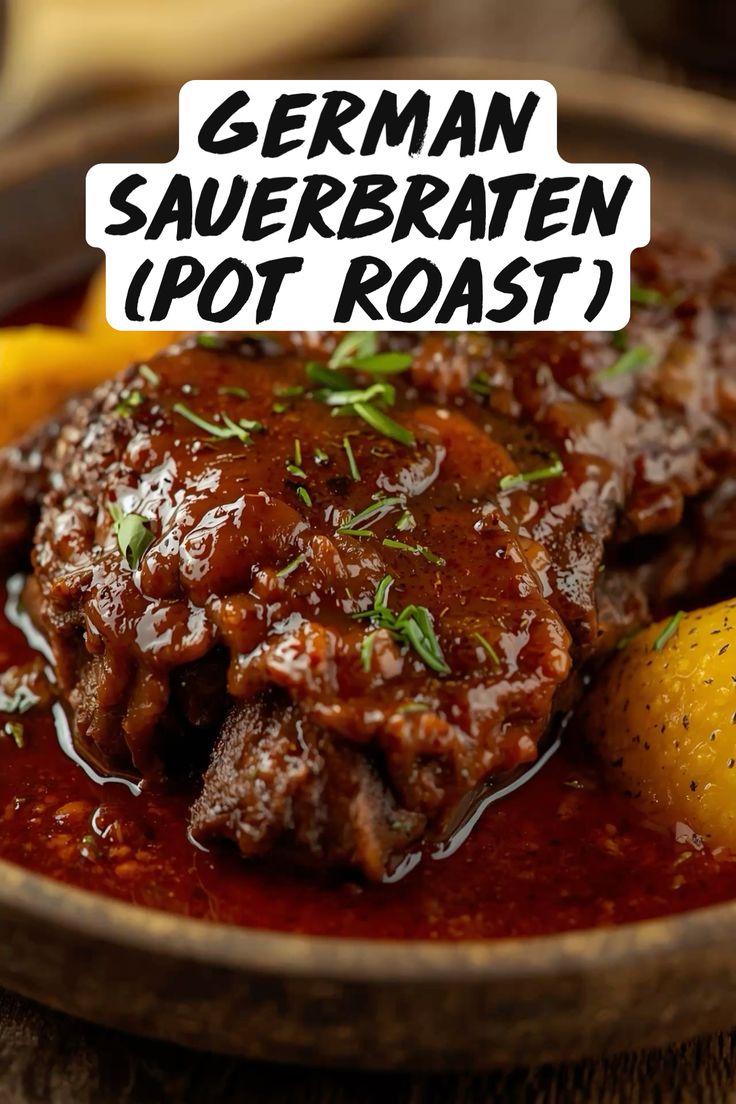
If there is one dish that represents the pinnacle of German Sunday dinners, it is Sauerbraten. Known as the national dish of Germany, this isn’t just your average pot roast. The name literally translates to “sour roast” (sauer = sour/pickled, braten = roast meat), and it is famous for its unique sweet-and-sour flavor profile and a texture so tender it can be eaten with a spoon.
What sets Sauerbraten apart from French Boeuf Bourguignon or American Pot Roast is the marinating process. The beef is soaked in a spiced vinegar brine for several days, which breaks down the fibers and infuses every inch of the meat with an incredible depth of flavor.
The History and Regional Variations
Sauerbraten has roots dating back to the era of Charlemagne. Traditionally, it was often made with horse meat, but today, high-quality beef is the standard. Depending on where you travel in Germany, the recipe changes:
- Rhineland Style: Known for being sweeter, often adding raisins and Lebkuchen (gingerbread) to thicken the sauce.
- Bavarian Style: Usually more savory and tart, often served with a dark beer influence in the gravy.
Ingredients You’ll Need
To create a truly authentic Sauerbraten, you need patience and a specific blend of warm spices.
For the Marinade:
- 3–4 lbs Beef Roast: (Bottom round, rump roast, or chuck roast).
- 2 cups Red Wine Vinegar: The acidic base that tenderizes the meat.
- 1 cup Dry Red Wine: (Preferably a German Pinot Noir or a dry Merlot).
- 2 cups Water.
- 1 Large Onion: Roughly chopped.
- 2 Carrots: Sliced.
- 1 Celery Stalk: Chopped.
- Spices: 3 Bay leaves, 10 Juniper berries (essential for that “forest” aroma), 6 Whole cloves, 1 tsp Black peppercorns, and 1 Cinnamon stick.
For the Roast & Gravy:
- 2 tbsp Vegetable Oil: For searing.
- Salt & Pepper: For seasoning.
- 1/2 cup Ginger Snaps or Lebkuchen: Crushed (This is the secret to the thick, spicy-sweet gravy).
- 2 tbsp Sugar or Red Currant Jelly: To balance the acidity.
- 2 tbsp Flour: (Optional, if extra thickening is needed).
Step-by-Step Cooking Instructions
1. The Long Soak (3 to 5 Days)
This is the most important step. In a large pot, combine the vinegar, wine, water, vegetables, and all the spices. Bring it to a boil, then let it cool completely.
Place your beef in a glass or ceramic bowl (avoid metal as it reacts with vinegar) and pour the cold marinade over it. The meat should be fully submerged. Cover and refrigerate for at least 3 days, turning the meat once a day.
2. Sear the Meat
Remove the beef from the marinade and pat it extremely dry with paper towels. (Wet meat will steam, not sear). Strain the marinade, reserving both the liquid and the vegetables/spices.
Season the beef with salt and pepper. In a large Dutch oven, heat oil over medium-high heat and sear the beef until a deep, dark brown crust forms on all sides. Remove the meat and set aside.
3. Sauté and Deglaze
Add the vegetables from the marinade into the pot. Sauté for 5–7 minutes until they begin to caramelize. Pour in about 2–3 cups of the strained marinade liquid, scraping the bottom of the pot to release the flavorful “fond.”
4. The Slow Braise
Return the beef to the pot. Cover tightly and simmer on low heat on the stove, or place in a $325°F$ ($160°C$) oven. Let it braise for $2.5$ to 3 hours. The meat is ready when it is “fork-tender”—meaning a fork slides in and out with no resistance.
5. Creating the Famous Gravy
Once the meat is done, remove it and wrap it in foil to rest. Strain the cooking liquid into a saucepan.
Add the crushed ginger snaps (or red currant jelly) to the liquid. Simmer for 10 minutes. The cookies will dissolve, naturally thickening the sauce and adding a beautiful gingerbread spice finish. If you prefer a smoother sauce, use an immersion blender. Taste and add a pinch of sugar if it’s too tart.
Secrets to an Award-Winning Sauerbraten
- Juniper Berries: If you can’t find them, don’t just skip them. They provide a gin-like, piney flavor that is the hallmark of German wild game cooking. You can find them in the spice aisle or specialty shops.
- The Cooling Period: Never pour hot marinade over raw meat; it will “cook” the outside and prevent the brine from penetrating the center.
- Resting the Meat: Always let the roast rest for at least 15 minutes before slicing. This keeps the juices inside, ensuring the meat doesn’t dry out.
Traditional Side Dishes
A Sauerbraten is only as good as what you serve it with! To stay authentic, pair it with:
- Kartoffelklöße (Potato Dumplings): These are essential for soaking up the thick, spiced gravy.
- Apfelrotkohl (Braised Red Cabbage with Apple): The sweetness of the cabbage complements the tartness of the beef.
- Spätzle: If you prefer noodles over dumplings, these German egg noodles are a fantastic alternative.
Frequently Asked Questions (FAQs)
Can I skip the 3-day marinating time?
While you can cook it after 24 hours, you won’t achieve the signature Sauerbraten flavor or texture. The 3-to-5-day window is what makes this dish legendary.
What if my gravy is too sour?
Simply add more sugar, honey, or red currant jelly. The goal is a perfect balance where the “sour” is present but tempered by a rich, sweet finish.
What wine should I use?
Use a wine you would actually drink. A dry red like Pinot Noir (Spätburgunder) or a medium-bodied Merlot works best.
Conclusion
German Sauerbraten is a labor of love, but the result is a sophisticated, melt-in-your-mouth roast that beats any standard pot roast recipe. It is the perfect dish for a cold winter evening or a festive holiday gathering. Once you taste that unique ginger-snap-thickened gravy, you’ll understand why this dish has been a favorite for centuries.