Authentic Japanese Ramen Bowl: The Ultimate Recipe for Chashu Pork, Perfect Eggs, and Flavorful Broth
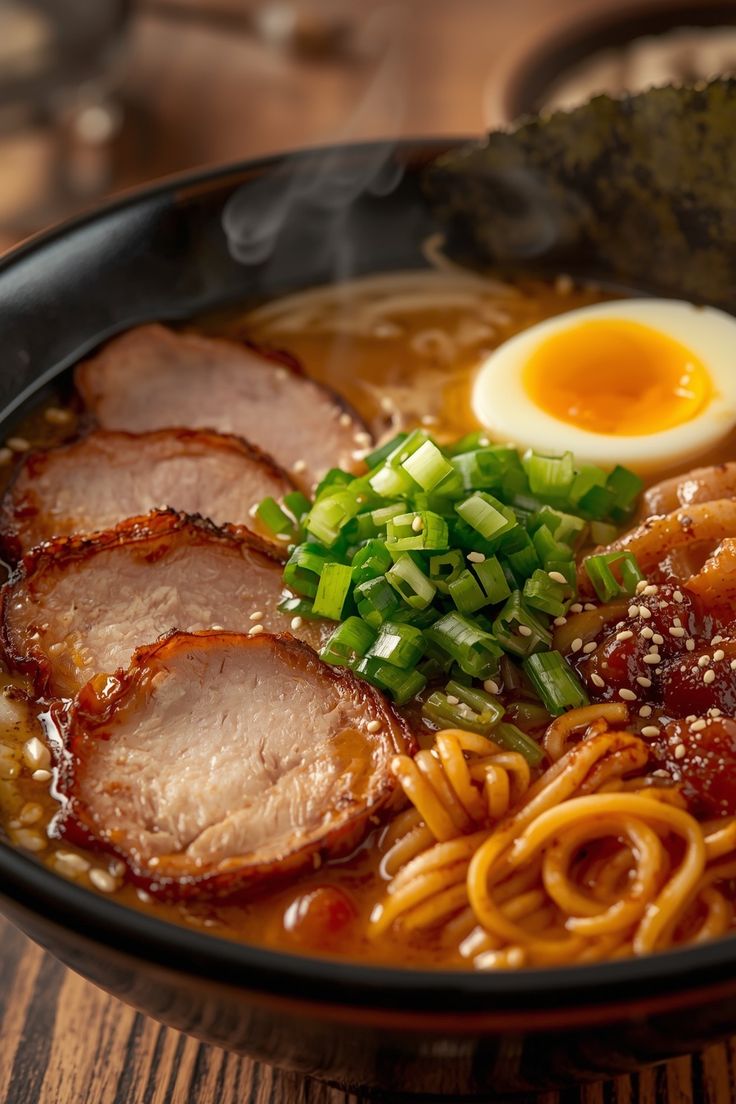
Ramen is more than just a quick meal; it’s a culinary masterpiece that has captured the hearts and palates of food lovers worldwide. At its core, a perfect bowl of Japanese ramen is a symphony of contrasting textures and deep, savory flavors: the rich, complex broth; the perfectly chewy noodles; the melt-in-your-mouth chashu (braised pork belly); and the creamy, marinated Ajitsuke Tamago (ramen egg). This recipe will guide you through creating an unforgettable homemade Japanese Ramen Bowl that rivals your favorite ramen-ya. We focus on depth of flavor, component mastery, and a satisfying overall experience.
🌟 Why This Ramen Recipe is a Must-Try
Many ramen recipes simplify the process, but the secret to true ramen magic lies in building layers of flavor. This recipe includes dedicated instructions for the essential components: the deeply savory Broth, the rich Tare (seasoning base), the luscious Chashu Pork, and the perfectly gooey Ramen Eggs. While it requires time, the reward is an intensely satisfying and authentic ramen experience right in your own kitchen.
🍜 The Essential Components: Ingredients & Preparation
A truly great bowl of ramen is the sum of its parts. Below is a detailed breakdown of the ingredients needed for a rich, pork-based ramen (like a Shoyu or a simplified Tonkotsu style), serving approximately 4 people.
I. For the Flavorful Pork & Chicken Broth (Base Stock)
- Bones:
- 1.5 kg (approx. 3.3 lbs) Pork Neck Bones or a mix of Pork Femur/Knuckle Bones (blanched and thoroughly cleaned).
- 1 kg (approx. 2.2 lbs) Chicken Carcasses or backs (blanched).
- Aromatics:
- 1 large Onion, halved and peeled.
- 1 head of Garlic, halved (unpeeled).
- 1 piece of Ginger (about 3 inches), sliced.
- 4-5 whole Green Onions (white parts only).
- 1 piece of dried Kombu (about 4×4 inches).
- Water (approx. 6-8 quarts).
II. For the Chashu Pork (Braised Belly)
- 1 kg (approx. 2.2 lbs) Pork Belly, skin removed, rolled, and tied with butcher’s twine.
- Braising Liquid (Chashu Sauce):
- 1 cup Soy Sauce (preferably Japanese Shoyu).
- 1 cup Mirin (sweet rice wine).
- 1/2 cup Sake (Japanese cooking wine).
- 1/2 cup Water (or reserved broth).
- 2 tablespoons Brown Sugar or Honey.
- 2 cloves Garlic, smashed.
- 1 small piece of Ginger, sliced.
III. For the Tare (Ramen Seasoning Base)
- 1/2 cup Chashu Braising Liquid (reserved after cooking the pork).
- 2 tablespoons extra Soy Sauce.
- 1 tablespoon Sesame Oil (toasted).
- 1 teaspoon Dashi Powder (or a small amount of MSG for an umami boost – optional).
- Pinch of White Pepper.
IV. For the Ajitsuke Tamago (Marinated Ramen Eggs)
- 4 large Eggs.
- 1/2 cup Soy Sauce.
- 1/2 cup Mirin.
- 1/2 cup Water.
- 1 teaspoon Sugar.
V. For the Assembly
- 4 servings of Fresh or Dried Ramen Noodles (check package for cooking instructions).
- Sliced Chashu Pork.
- Halved Ajitsuke Tamago.
- Garnishes: Thinly sliced Green Onions (scallions), Nori (seaweed sheets), Menma (bamboo shoots), and a drizzle of Rayu (chili oil – optional).
🔪 Step-by-Step Culinary Journey
This process is designed to maximize flavor development, which is key to a truly gourmet ramen bowl.
Step 1: The Broth – Achieving Umami Depth (Prep Day or Early Start)
- Blanch the Bones (Critical Step for Clear Broth): Place the pork and chicken bones in a large stockpot and cover with cold water. Bring to a rapid boil for about 10 minutes. Skim off any impurities (scum). Drain the water completely, then rinse the bones thoroughly under cold running water to remove all coagulated blood and dirty bits. This ensures a clean, non-metallic tasting broth.
- Simmer the Broth: Return the cleaned bones to the pot. Add fresh cold water to cover them completely, plus a few extra inches. Add the onion, garlic, ginger, and the white parts of the green onions.
- Low and Slow: Bring the water to a boil, then immediately reduce the heat to a very low simmer. Do not boil rapidly, as this emulsifies the fat too quickly and can result in a cloudy broth (unless you are intentionally making Tonkotsu). Simmer, uncovered, for a minimum of 4-6 hours, occasionally skimming any surface scum.
- Add Kombu (Last 30 Minutes): Add the kombu for the final 30 minutes of simmering. Remove the kombu before it boils for too long, as it can make the broth bitter.
- Strain: Once simmered, strain the broth through a fine-mesh sieve or cheesecloth into a clean pot. Discard the bones and aromatics. Your base stock is ready.
Step 2: Chashu Pork – The Star Topping
- Sear the Pork (Optional but Recommended): In a frying pan, sear the tied pork belly roll on all sides until nicely browned. This adds a layer of caramelized flavor.
- Braise: In a medium pot, combine all the Chashu Braising Liquid ingredients. Bring to a simmer. Add the seared pork belly roll. The liquid should cover the pork; add a little water if needed.
- Cook: Simmer gently, covered with a drop lid (otoshiguta) or a piece of crumpled parchment paper to keep the pork submerged, for 1.5 to 2 hours, turning the pork every 30 minutes until it is fork-tender.
- Cool & Slice: Remove the pork and let it cool completely, ideally in the refrigerator, still tied. Crucially, reserve the braising liquid – this is your concentrated flavor base! Once chilled, untie the pork and slice it thinly just before serving.
Step 3: Ajitsuke Tamago – The Perfect Ramen Egg
- Soft Boil: Bring a pot of water to a rolling boil. Gently lower the eggs into the water. For a creamy, jammy yolk, cook for 6 minutes and 30 seconds.
- Ice Bath: Immediately transfer the eggs to an ice bath to stop the cooking process. Carefully peel the eggs once cool.
- Marinate: Combine the soy sauce, mirin, water, and sugar in a small container. Place the peeled eggs in the marinade, ensuring they are mostly submerged (you can use a paper towel on top to keep them down). Marinate for a minimum of 6 hours, or ideally, overnight in the refrigerator.
Step 4: Tare and Final Assembly
- Prepare the Tare: In a small saucepan, combine the reserved Chashu Braising Liquid (from Step 2) with the extra soy sauce, sesame oil, dashi powder (if using), and white pepper. Bring to a quick simmer, stirring, then remove from heat. This highly concentrated seasoning is essential.
- Cook Noodles: Cook your ramen noodles according to the package directions. They usually only take 2-4 minutes. Drain well.
- Assemble the Bowl:
- In each serving bowl, add 2-3 tablespoons of the prepared Tare.
- Ladle in about 1.5-2 cups of your piping hot Broth (from Step 1). Swirl the bowl to mix the Tare and Broth thoroughly.
- Add the drained Noodles to the broth.
- Artfully arrange the toppings: Slices of Chashu Pork (reheated lightly in the broth or a frying pan), a halved Ajitsuke Tamago, a scattering of sliced Green Onions, Menma, and a sheet of Nori.
💡 Expert Tips for Ramen Perfection
- Pork Quality: Use high-quality, evenly marbled pork belly for the best chashu. The fat renders beautifully, keeping the meat moist.
- The Tare is King: The Tare provides the salty, savory punch (the seasoning) that transforms the mild base stock into rich, complex ramen broth. Never skip this step! It is a key differentiator in a true ramen bowl.
- Serving Temperature: Serve your ramen immediately and piping hot. The broth’s high temperature is crucial for the overall experience and keeps the fat distributed.
- Noodle Texture: Undercook the noodles by about 30 seconds, as they will continue to cook in the hot broth. This prevents them from becoming soggy.