Classic Eggs Benedict with Silky Hollandaise Sauce
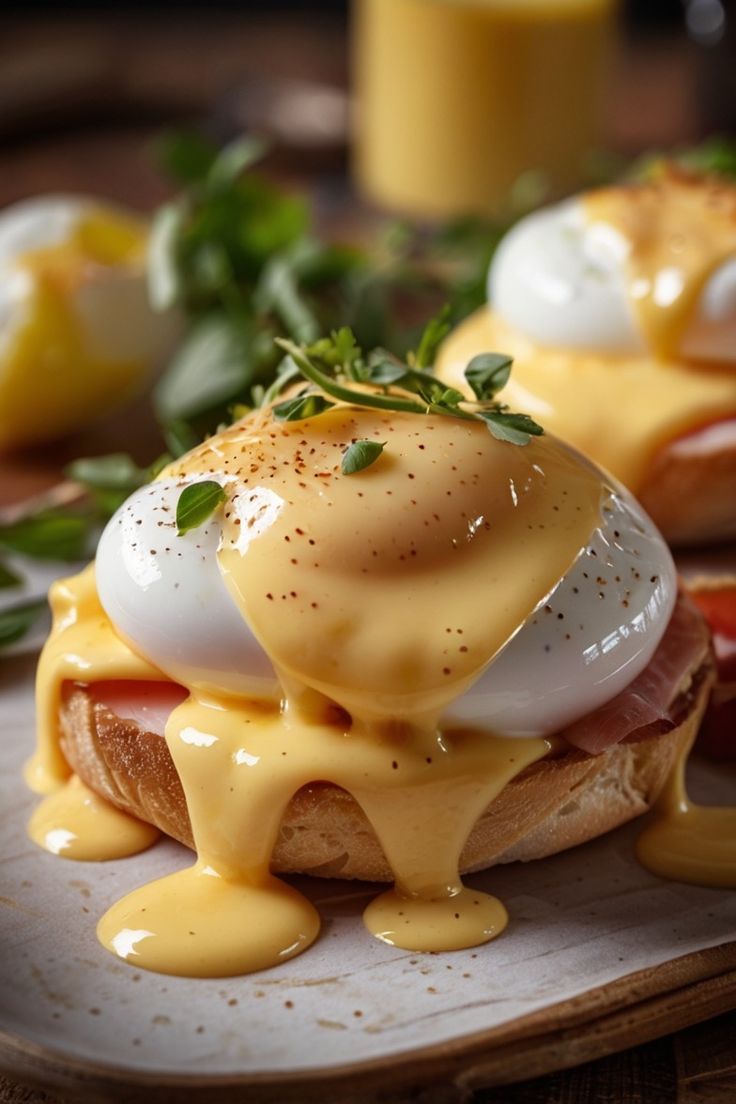
Welcome to the pinnacle of brunch elegance: the Classic Eggs Benedict. This is not just a dish; it’s a buttery, savory masterpiece that turns any morning into a special occasion. Imagine perfectly poached eggs with runny yolks, resting on tender slices of Canadian bacon (or ham), layered over a toasted English muffin, all smothered in a rich, creamy, and tangy Hollandaise sauce. It’s the ultimate combination of textures and flavors.
This recipe post will guide you through every step—from perfecting the notoriously tricky Hollandaise (with foolproof methods!) to achieving flawlessly poached eggs. Whether you’re an experienced home cook or a brunch enthusiast ready to master a classic, you’ll find everything you need right here.
Why This Eggs Benedict Recipe is a Must-Try
Eggs Benedict often gets a reputation for being complicated, but with the right techniques, it’s entirely achievable at home. Our recipe breaks down the process into manageable, stress-free steps, guaranteeing success and five-star flavor:
- Foolproof Hollandaise: We provide a classic stovetop method and an incredibly easy blender Hollandaise option, ensuring a thick, emulsified sauce every time.
- Perfect Poached Eggs: Learn the simple tips—the vinegar, the swirl—to create beautifully shaped eggs with wonderfully liquid yolks.
- Detailed & Comprehensive: We cover storage, make-ahead tips, and delicious variations, making this the most complete guide you’ll find.
The Anatomy of a Classic Eggs Benedict
A truly classic Eggs Benedict is composed of four essential elements:
- The Base: A perfectly toasted English Muffin.
- The Savory Element: Sautéed or pan-fried slices of Canadian Bacon (or a quality cooked ham).
- The Star: A Poached Egg with a warm, flowing yolk.
- The Crown: A generous drizzle of Hollandaise Sauce—rich, lemony, and smooth.
Recipe: Classic Eggs Benedict with Homemade Hollandaise
This recipe makes 4 servings (8 halves).
| Component | Prep Time | Cook Time |
| Total Time | 25 minutes | 15 minutes |
1. The Silky Hollandaise Sauce (The Easiest Method!)
While the traditional double-boiler method is beautiful, the blender method is faster and virtually failsafe. This is our go-to for quick, gourmet brunch.
Ingredients for Hollandaise:
- 3 large egg yolks
- 1 Tbsp fresh lemon juice (crucial for flavor!)
- 1/2 cup (1 stick) unsalted butter, melted and kept hot
- 1/4 tsp Dijon mustard (optional, for depth)
- Pinch of Cayenne Pepper (optional, for a subtle kick)
- 1/2 tsp salt, or to taste
Instructions (Blender Method):
- Prep the Butter: Melt the butter in a small saucepan or microwave until it is very hot and just beginning to foam.
- Combine Yolks: In a high-speed blender (or an immersion blender cup), combine the egg yolks, lemon juice, Dijon mustard, cayenne, and salt. Pulse for about 5-10 seconds until lightly combined.
- Emulsify: With the blender running on low speed, slowly and steadily pour the hot melted butter in a thin, continuous stream through the opening in the blender lid. This process should take about 30-45 seconds.
- Thicken and Season: The hot butter will cook the yolks just enough, and the sauce will instantly emulsify and thicken to a beautiful, pale yellow, velvety consistency.
- Serve Immediately: Taste and adjust salt or lemon juice as needed. If the sauce is too thick, whisk in 1-2 teaspoons of hot water. Keep the sauce warm in a thermos or a small bowl placed over a pot of barely simmering water (a gentle bain-marie) while you finish the rest of the components.
2. The Perfect Poached Eggs
This step requires a little focus, but the technique is straightforward.
Ingredients for Poaching:
- 8 large, very fresh eggs
- 8 cups water
- 2 Tbsp white vinegar (does not affect flavor but helps the egg whites set!)
- 1/2 tsp salt
Instructions:
- Prepare Water: Fill a wide, shallow saucepan with about 3-4 inches of water. Add the white vinegar and salt. Bring the water to a gentle simmer—look for small bubbles rising, but do not let it boil vigorously.
- Prep the Eggs: Crack each egg individually into a small bowl, ramekin, or slotted spoon. Fresh eggs are key; older eggs spread more easily.
- The Swirl Technique: Using a spoon, gently stir the simmering water to create a slow, clockwise vortex (a swirl).
- Poach: Gently slide one egg at a time into the center of the swirling water. The motion of the water helps the whites wrap neatly around the yolk.
- Cook: Cook for approximately 3-4 minutes for a soft, flowing yolk. The whites should be fully set and opaque.
- Remove: Use a slotted spoon to carefully lift the eggs out of the water. Gently blot the excess water on a paper towel before serving.
3. The Base and Protein Assembly
The easiest part, but critical for the overall experience!
Ingredients for Assembly:
- 4 English Muffins, split
- 8 slices Canadian Bacon (or good quality ham, like Black Forest or prosciutto)
- 1 Tbsp butter or olive oil for frying
- Chopped chives or parsley, for garnish
Instructions:
- Toast the Muffin: Toast the English muffin halves until lightly golden and crisp. Place two halves on each serving plate.
- Sauté the Protein: In a small skillet, quickly sauté the Canadian bacon or ham slices in a little butter or oil over medium heat for 1-2 minutes until warmed and slightly caramelized.
- Layer: Place two slices of the warm Canadian bacon on each English Muffin half.
4. The Grand Finale: Assembly
This is where the magic happens!
- Layer the Eggs: Carefully place one perfectly poached egg on top of the Canadian bacon on each muffin half.
- Crown with Hollandaise: Generously spoon the warm Hollandaise Sauce over each egg, making sure it drips down the sides.
- Garnish and Serve: Finish with a sprinkle of fresh chopped chives or paprika for color and a fresh note. Serve immediately while the eggs and sauce are warm.
Pro-Tips and Advanced Techniques
Mastering Eggs Benedict means mastering preparation and timing. Here are a few expert tips:
Making Hollandaise Ahead of Time (The Challenge)
Hollandaise is best served immediately, as it tends to thicken and separate as it cools. However, if you must make it ahead:
- Storage: Store it in a closed container in a warm spot, like a thermos, for up to 1 hour. Do not refrigerate.
- Reheating (The Fix): If the sauce separates or gets too cold, place it in a small bowl over a gentle bain-marie (barely simmering water). Whisk vigorously, and gradually whisk in a teaspoon of hot water at a time until it comes back together.
The “Make-Ahead” Poached Egg Trick
To save time on brunch day, you can poach the eggs the day before:
- Undercook Slightly: Poach the eggs for about 2 minutes, ensuring the whites are set but the yolks are still very runny.
- Ice Bath: Immediately plunge the eggs into a large bowl of ice water to stop the cooking process. Store them in the ice water (covered) in the refrigerator.
- Reheating: When ready to serve, transfer the eggs to a bowl of hot (not boiling) water for about 30-60 seconds to warm them through. Blot dry and serve.
Fixing a Broken Hollandaise Sauce
If your Hollandaise breaks (separates and looks curdled):
- The Rescue Plan: Whisk a fresh egg yolk with a tablespoon of hot water in a clean bowl. Slowly whisk the broken sauce into this new yolk mixture, a spoonful at a time, until the emulsion is restored. It works like magic!
Delicious Eggs Benedict Variations
The Classic is perfect, but exploring variations is half the fun! These popular twists allow you to customize the savory element:
| Variation Name | Savory Element Substitute | Key Flavor Profile |
| Eggs Florentine | Sautéed or steamed Spinach (instead of bacon) | Earthy, vegetarian, often includes a nutmeg dusting. |
| Eggs Royale (or Atlantic) | Thinly sliced Smoked Salmon (lox) | Rich, smoky, and luxurious—a very popular alternative. |
| Eggs Chesapeake | Lump Crab Meat or a small Crab Cake | Savory, coastal, and truly decadent. |
| Eggs Blackstone | Sautéed Tomato and crispy Bacon (not Canadian) | A popular, meaty, and slightly sweeter variant. |
| Eggs Oscar | Asparagus and lump Crab Meat | The most gourmet and celebratory version. |
These variations allow you to tailor the dish to any preference or occasion, making your brunch menu adaptable and exciting!
Why Eggs Benedict is the Ultimate Brunch Dish
The history of Eggs Benedict is shrouded in delightful New York legend, though most credit it to Delmonico’s in the late 19th century. Regardless of its origin, its enduring appeal lies in the luxurious contrast it offers: the crunch of the toasted muffin, the saltiness of the bacon, the gentle warmth of the runny yolk, and the crowning glory of the bright, emulsified Hollandaise.
Mastering this recipe elevates your home cooking and will impress every guest you serve. It’s the perfect dish for holidays, celebratory brunches, or simply a weekend where you deserve a little extra indulgence.
Now that you have the techniques, the tips, and the complete recipe, it’s time to head to the kitchen and create your own unforgettable Eggs Benedict. Enjoy the process—and the delicious reward!