Soft and Moist Classic Vanilla Pound Cake
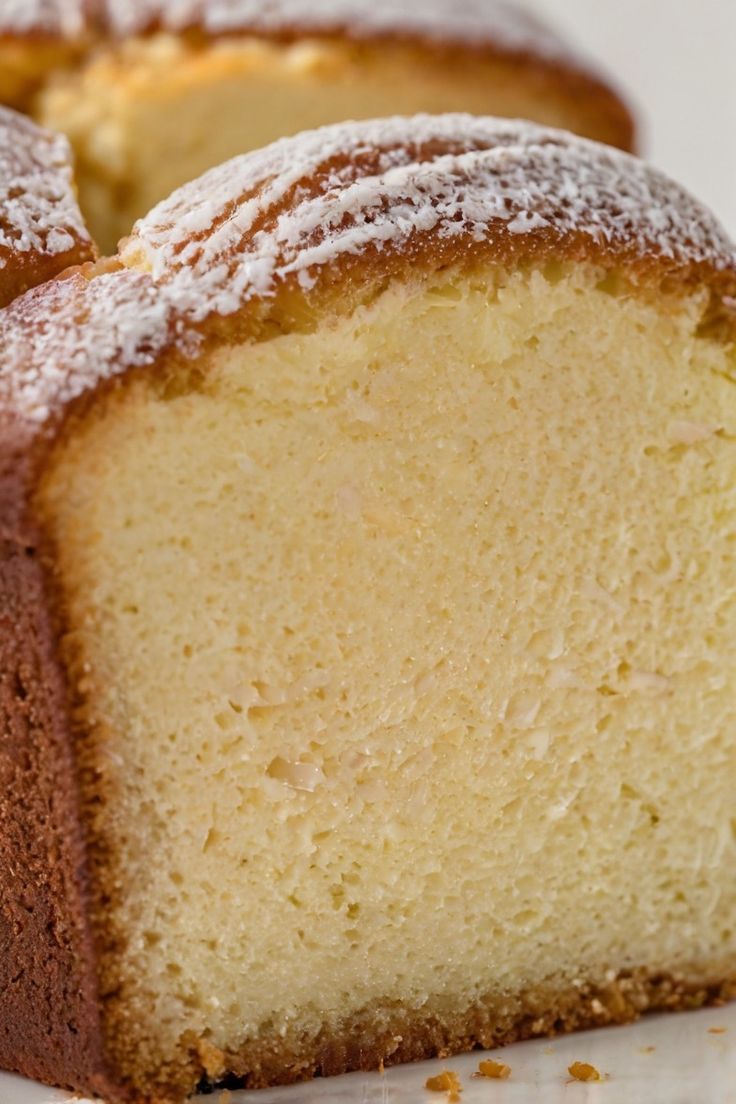
This isn’t your average pound cake. This recipe delivers a cake with a perfectly tight, fine crumb that is both dense and incredibly moist, with a rich buttery flavor and a delicate hint of vanilla. It’s a true classic, perfect for a simple afternoon treat with a cup of coffee, or as a base for fresh berries, fruit compotes, or a light glaze. This cake is made using the creaming method, which is key to its signature tender texture.
Why This Pound Cake is a Must-Bake
- Rich and Buttery Flavor: Made with a generous amount of butter, this cake has an unparalleled depth of flavor.
- Incredibly Moist Crumb: The combination of butter, eggs, and a touch of milk ensures a pound cake that is not dry or crumbly.
- Versatile: This cake serves as the perfect canvas for a wide range of toppings, from a simple dusting of powdered sugar to a sweet glaze or a mountain of fresh fruit.
- Simple and Timeless: The recipe relies on classic baking techniques to deliver a reliable and delicious result every time.
Ingredients
All measurements are provided in US customary and metric units.
- Unsalted Butter: 1 cup (226g), softened to room temperature
- Granulated Sugar: 2 cups (400g)
- Large Eggs: 4, room temperature
- Vanilla Extract: 2 teaspoons
- All-Purpose Flour: 3 cups (360g)
- Baking Powder: 1 teaspoon
- Salt: ½ teaspoon
- Whole Milk: 1 cup (240ml), room temperature
Step-by-Step Instructions
Follow these detailed steps for a perfect pound cake.
Step 1: Prepare the Oven and Pan
- Preheat your oven to 325°F (160°C). The lower temperature is essential for a pound cake, allowing it to cook all the way through without browning too quickly.
- Thoroughly grease and flour a 10-12 cup Bundt pan or a 9×5-inch loaf pan. Make sure every nook and cranny is coated to prevent sticking.
Step 2: Combine Dry Ingredients
- In a medium bowl, whisk together the all-purpose flour, baking powder, and salt. Set aside.
Step 3: Cream Butter and Sugar
- In the bowl of a stand mixer fitted with the paddle attachment (or a large bowl with a hand mixer), beat the softened butter and granulated sugar on medium-high speed for 5-7 minutes. This is a critical step. The mixture should become very light, fluffy, and pale, and have a texture like whipped cream. This process incorporates air into the batter, which is essential for a light, yet dense, crumb.
Step 4: Add Eggs and Vanilla
- Add the eggs one at a time, beating well after each addition until fully incorporated.
- Scrape down the sides of the bowl as needed to ensure even mixing.
- Beat in the vanilla extract. The batter may look a little curdled at this point; that’s normal.
Step 5: Alternate Dry Ingredients and Milk
- With the mixer on low speed, add about one-third of the dry ingredients to the butter mixture and mix until just combined.
- Add half of the whole milk and mix until incorporated.
- Repeat with the second third of the dry ingredients, then the remaining milk, and finally the last of the dry ingredients. Mix until just combined. Do not overmix!
Step 6: Bake the Cake
- Pour the batter into the prepared pan and spread it evenly with a spatula.
- Bake for 60-70 minutes for a Bundt pan or 50-60 minutes for a loaf pan.
- The cake is done when a wooden skewer or toothpick inserted into the center comes out clean or with only a few moist crumbs attached.
Step 7: Cool the Cake
- Let the cake cool in the pan on a wire rack for 15-20 minutes.
- Carefully invert the cake onto the wire rack to cool completely.
Step 8: Garnish and Serve
- This pound cake is delicious as-is, but you can also serve it with a simple glaze made from powdered sugar and milk, or with a dollop of whipped cream and fresh berries.
- Slice and serve at room temperature.
Tips for a Perfect Pound Cake
- Room Temperature Ingredients are Non-Negotiable: This is the most important rule for a successful pound cake. It allows the ingredients to emulsify properly and creates the desired texture.
- Cream the Butter and Sugar for Long Enough: The light and airy texture of the cake comes from the air bubbles created during this creaming process. Do not shorten this step.
- Don’t Overmix the Batter: After adding the flour and milk, mix just until the ingredients are incorporated. Overmixing develops gluten, which can result in a tough, chewy cake.
- Lower and Slower Baking: The lower oven temperature is intentional. It allows the dense cake to bake all the way through without becoming too dark or dry on the outside.
- Thoroughly Grease Your Pan: Take an extra minute to grease and flour your pan well, especially if using a Bundt pan with intricate designs. This will save you a lot of heartache when it’s time to unmold the cake.